

Facts checked against official Williamson County websites on September 22, 2026.
The short answer. Before you buy land to build on in Williamson County, find out where a septic system can go, how the slope and soil affect the foundation, how a driveway and utilities reach the house site, and what setbacks and covenants limit what you can build. Each can change the house, the budget, or both.
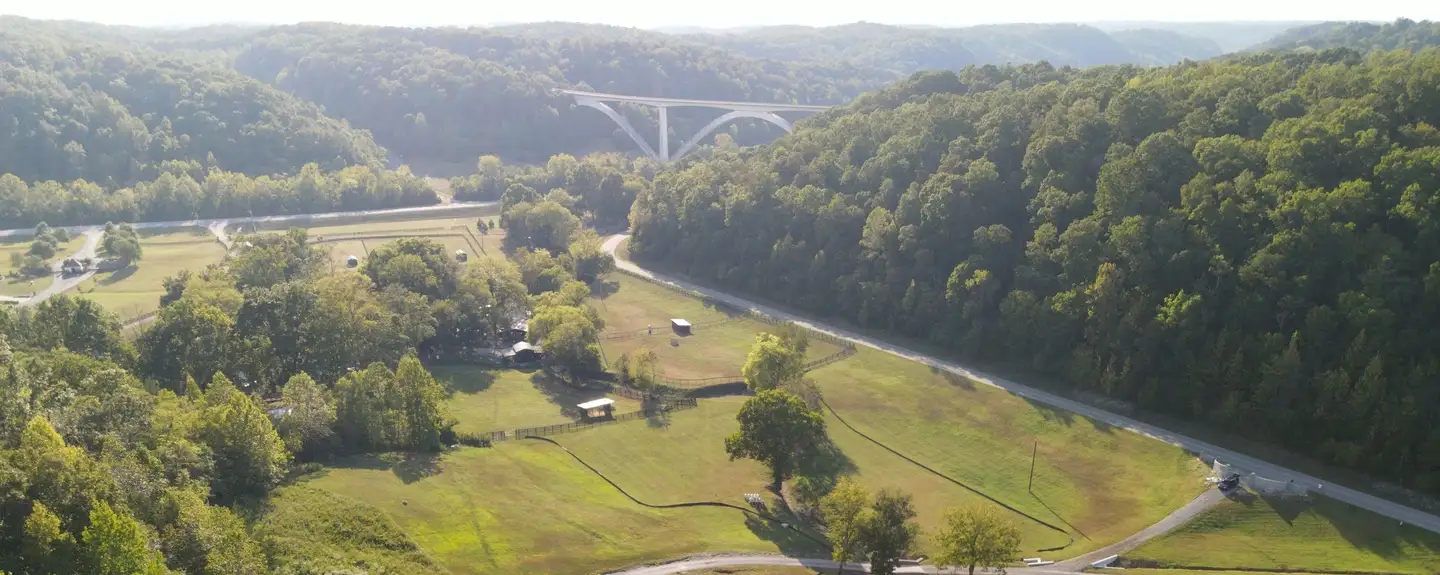
Already have a lot you're considering? Tell Paul about it
Why does the lot decide so much?
A house is designed for a particular piece of ground. The lot decides where the house can sit, which way it faces, how it meets the ground, how you reach it, and what it costs to prepare. Two lots at the same price can lead to very different construction budgets. The time to learn that is before you close, while you can still negotiate, ask for a study period, or walk away.
How does septic work in Williamson County?
If the property is not on a public sewer, the house needs a septic system. In most Tennessee counties the state issues septic permits, but Williamson County runs its own program through its Department of Sewage Disposal Management. The department decides whether a site is suitable before it issues a septic construction permit.
The county requires soil mapping for land being subdivided and platted, so many lots have soil information on record. The soil areas approved for the septic field, and the reserve area for a replacement field, take up land and limit where the house, driveway, pool, and outbuildings can go.
Questions to ask about septic before you buy:
- Is the lot on public sewer, or will it need septic?
- Has the lot been soil mapped, and where are the approved septic and reserve areas?
- How many bedrooms is the septic approval sized for? The county notes that adding bedrooms generally requires a septic permit.
- Do the approved soil areas leave room for the house you want, where you want it?
What does the slope tell you?
A gently sloping lot can be ideal: water drains away, and a walkout lower level may be possible. A steep lot can still work, but foundations, retaining walls, drainage, and the driveway all cost more. Rock near the surface, which is common in Middle Tennessee, can make excavation for a basement or foundation more expensive.
Ask for a topographic survey if one exists, and walk the lot after a heavy rain to see where water goes.
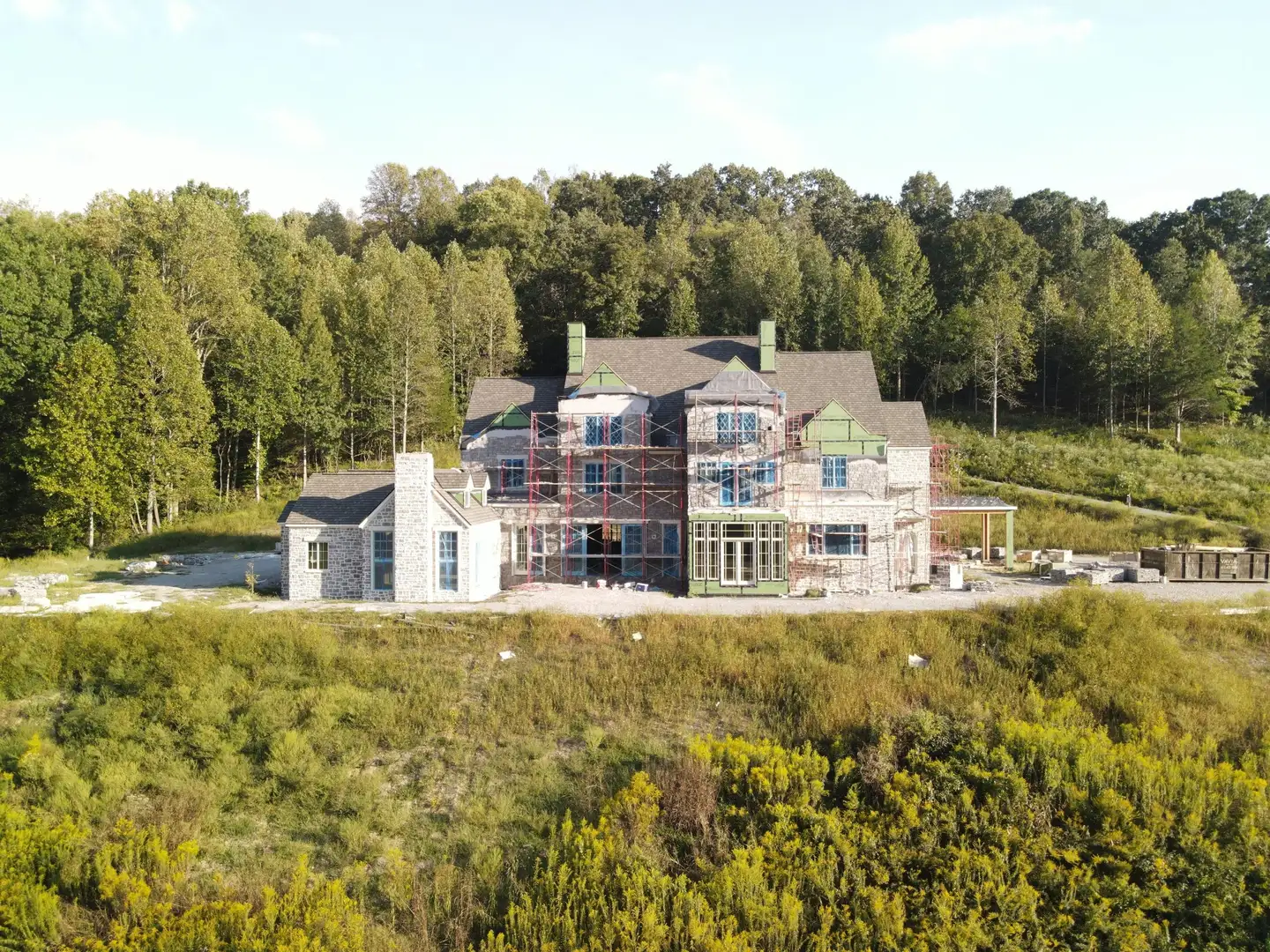
Building on a sloped lot in Middle Tennessee
What about access and utilities?
- Road access. Is the lot on a public road, a private road, or an easement? Who maintains it?
- Driveway. Can a driveway reach the house site at a manageable grade? A long driveway on a rural lot can be a significant cost.
- Water. Is public water available at the road, or will the house need a well?
- Power and internet. How far is the nearest service, and what will it cost to bring it in?
- Gas. Is natural gas available, or will the house use propane or electric?
Utility providers can tell you what service is available at a specific address. Ask before you close.
What are setbacks and covenants?
Setbacks are the minimum distances between the house and the property lines, set by the city or county zoning. They define the area where you can build. On a narrow or oddly shaped lot, setbacks can leave less room than the lot size suggests.
Easements give someone else a right to use part of your land, often for utilities or drainage. You usually cannot build on them.
Covenants are private rules recorded against the property, often enforced by a homeowners association. They may set a minimum house size, materials, roof pitch, style, fence rules, or an architectural review. Read them in full before you buy, not after.
Your title work and survey should show recorded easements. The planning office of the city or county that has jurisdiction can tell you the zoning setbacks.
Is the lot in a city or the county?
Williamson County has six incorporated cities and towns: Brentwood, Fairview, Franklin, Spring Hill, Nolensville, and Thompson's Station. Land outside them is governed by the county, including communities such as Leiper's Fork, College Grove, and Arrington. The answer decides who issues your building permit, which zoning applies, and which edition of the building code you design to.
Building permits in Brentwood, Franklin, and Williamson County
What should you check before you buy? A checklist
- Jurisdiction: city, town, or unincorporated county.
- Sewer or septic. If septic: soil mapping, approved and reserve areas, and bedroom count.
- Topographic survey and slope. Where the water goes.
- Rock and soil conditions, especially if you want a basement.
- Road access and driveway route.
- Water, power, gas, and internet.
- Zoning setbacks, easements, and the buildable area.
- Covenants and HOA design rules.
- Trees, views, and sun: what you want to keep and where the house should face.
- A study period in the contract long enough to check all of the above.
When should an architect look at the lot?
Ideally before you close. An architect can walk the property with the survey and septic information, sketch where the house could sit, and point out what the land will cost to build on. That is much cheaper than learning it after you own the lot.
I am available to walk with a client on property to discuss the opportunities and potential challenges to design and build on the parcel.
About the author
Paul Packman, NCARB, is President of Packman Architects in Brentwood, Tennessee. He is licensed in Tennessee, California, Oregon, and Utah.
From the first conversation through design, permitting, consultant coordination, and construction, he remains closely involved, helping clients navigate complex decisions while keeping their vision, priorities, and budget at the center of the project.
